
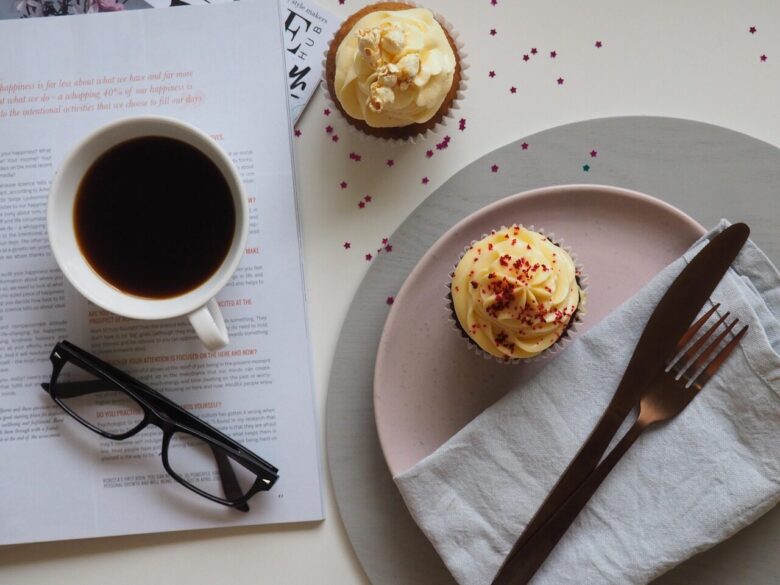
By Mariana Costa Oliveira • Tested and researched • Updated June 2026
In 2020, during the lockdown in São Paulo, I started selling cupcakes to neighbors through a WhatsApp group. I sold twelve dozen the first week. By month three, I was turning down orders because my kitchen could not keep up. I had no business plan, no license, and no idea what I was doing. I learned every lesson the hard way.
This guide is what I wish I had read before I sold my first cupcake. It covers the legal steps, the kitchen setup, the pricing math, and the mistakes that cost me money in my first six months. Everything here is based on my own experience running a cottage food business in Brazil, adapted with research on regulations in the United States, the United Kingdom, and Australia.
Step 1: Validate Demand in Your Local Area
Before you buy a single extra muffin pan, find out if people near you will actually pay for your cupcakes. This is the step most home bakers skip — and the one that determines whether you have a business or an expensive hobby.
How I tested demand: I posted a photo of my chocolate cupcakes in a neighborhood Facebook group and asked a simple question: “Would you buy these if I sold them for R$4 each?” Thirty people said yes. Twelve actually ordered when I followed up. That was enough data.
Methods that work:
- Post samples at local offices, schools, or community centers with a feedback card
- Offer a “pre-order” batch at cost price to gauge real commitment
- Ask friends to share your photos in their own networks — not just like them
- Check local Facebook groups, Nextdoor, or community boards for cupcake requests
What I learned: Likes are not orders. Comments are not orders. Only money in your hand — or a confirmed pre-order — validates demand. I wasted R$200 on ingredients for a “launch party” that nobody attended. Test small, prove demand, then scale.
Step 2: Understand Cottage Food Laws in Your Region
Every country, state, and city has different rules about selling food from a home kitchen. Ignoring them is not an option. I nearly got shut down in my third month because I did not know I needed a health inspection certificate for my home kitchen in São Paulo.
United States: Cottage food laws vary by state. Most allow home bakers to sell non-potentially hazardous foods (like cupcakes) without a commercial kitchen license, but you typically need:
- A cottage food permit or license
- Annual gross sales under a state limit (often $25,000–$50,000)
- Labeling that includes your name, address, and “made in a home kitchen”
- No sales across state lines in some states
United Kingdom: You must register your food business with your local authority at least 28 days before trading. Registration is free. You may need a Level 2 Food Safety and Hygiene certificate. Home kitchens are allowed, but they must meet hygiene standards.
Brazil: Requirements vary by municipality. In São Paulo, you need a health inspection (vigilância sanitária) for your kitchen, an Alvará de Funcionamento, and registration with the city. Some neighborhoods allow home businesses; others do not.
Action step: Contact your local health department or food safety authority before you sell anything. Ask specifically about home bakeries, cottage food permits, and sales limits. Get the answer in writing if possible.
What I learned: A $50 permit is cheaper than a $500 fine. Do the paperwork first. The anxiety of operating illegally is not worth the shortcut.
Step 3: Set Up a Licensed Kitchen Process
Your home kitchen is now a commercial space. That means new habits, new storage, and new rules. Here is what changed in my kitchen when I went legal:
Storage separation: I bought a separate set of containers, mixing bowls, and utensils for business use only. My personal spatulas and my business spatulas live in different cabinets. This is not just for hygiene — it is for your own sanity when the inspector visits.
Ingredient labeling: Every bulk ingredient gets a label with the purchase date and supplier. I keep a log of every batch: what I made, when, what ingredients I used, and who bought it. If a customer gets sick, I need to trace that batch in under five minutes.
Temperature control: I bought a refrigerator thermometer and an oven thermometer. I log temperatures weekly. Cupcakes with cream cheese frosting or dairy fillings must stay below 5°C. I bought a second mini-fridge just for business orders.
Cleaning protocol: I deep-clean my kitchen before every baking day. Surfaces, floors, sink drains. I use a separate trash bin with a lid for food waste. I keep a cleaning log — date, time, what was cleaned, who cleaned it. The inspector loved it.
What I learned: The kitchen setup is not the hard part. The habit of logging, labeling, and separating is. Start these habits on day one, not after your first inspection.
Step 4: Price Your Recipes for Profit
This is where most home bakers fail. They price by feeling — “R$5 seems fair” — and then discover they are losing money on every dozen. I did this for two months before I sat down and did the math properly.
The formula that works:
Cost per cupcake = (ingredients + packaging + labor + overhead) + profit margin
Here is my real breakdown for a standard chocolate cupcake with buttercream frosting:
- Ingredients: R$1.20 per cupcake (flour, sugar, cocoa, butter, eggs, milk, baking powder, vanilla, salt)
- Packaging: R$0.40 per cupcake (liner, box, ribbon, business card)
- Labor: R$1.50 per cupcake (my time: mixing, baking, decorating, cleaning, delivery)
- Overhead: R$0.30 per cupcake (electricity, gas, water, permit fees, equipment depreciation)
- Total cost: R$3.40 per cupcake
- Profit margin (30%): R$1.02 per cupcake
- Final price: R$4.42 per cupcake — I round to R$4.50
What I learned: Your time is not free. If you spend three hours baking, decorating, and delivering a dozen cupcakes, and you charge R$30 for the dozen, you are earning R$2.50 per hour after costs. That is not a business. That is a charity. Price your labor at minimum wage at least, or you will burn out in six months.
Pro tip: Track every ingredient cost for three months. Prices fluctuate. I update my pricing spreadsheet every quarter. Butter went up 40% in 2022. I had to raise my prices. Customers understood because I explained the cost increase honestly.
Step 5: Build a Simple Sales Plan
You do not need a 20-page business plan. You need a clear answer to three questions: who buys, how they buy, and how often they buy.
My customer profile: Working parents in my neighborhood, ages 30–50, who need birthday cupcakes for children’s parties. They order 2–3 times per year. They want convenience, reliability, and Instagram-worthy presentation. They do not want to bake.
My sales channels:
- WhatsApp for direct orders (70% of sales)
- Instagram for visibility and portfolio (20% of sales)
- Word-of-mouth from repeat customers (10% of sales)
My order process: Customer messages flavor and quantity → I confirm availability and price → 50% deposit required to book → I bake → Customer picks up or I deliver → Final payment on delivery.
What I learned: The 50% deposit saved my business. Before deposits, I had three cancellations in one month. I had already bought ingredients. I lost R$180. Deposits filter out serious buyers and protect your cash flow. No exceptions.
Step 6: Market Without Spending Money
I spent R$0 on marketing in my first year. Here is what worked instead:
Photo quality: Every cupcake I sold was photographed in natural light on a clean white plate. I posted one photo per day on Instagram. No filters, no artificial backgrounds. Just the product. My followers grew from 200 to 2,400 in eight months.
Customer photos: I asked every customer to send me a photo of the cupcakes at their event. I reposted them with credit. This built social proof and cost nothing.
Referral program: I gave a free half-dozen to any customer who referred a new buyer who placed an order. My best customer referred six people in one year. She got three free half-dozens. I got six new customers. That is profitable marketing.
Local partnerships: I left a dozen free cupcakes at a local coffee shop every Friday. The owner displayed them with my business card. He sold out every time. He started ordering for his own events. One free dozen per week generated R$400 in monthly orders.
What I learned: Marketing is not advertising. Marketing is making your product so good that people talk about it. Focus on the product first. The marketing follows.
Step 7: Manage Growth and Know When to Stop
My biggest mistake was accepting every order. In month four, I took a 200-cupcake wedding order. I baked for fourteen hours straight. I made R$800. I was exhausted for a week. I missed three smaller orders because I was recovering. Net result: I lost money.
My capacity rule: I now take a maximum of 60 cupcakes per week. That is five dozen. That fits my kitchen, my schedule, and my energy. If I want more revenue, I raise my prices or add premium options (custom toppers, fondant work, delivery) — I do not add volume.
Signs you are ready to scale:
- You are consistently sold out two weeks in advance
- You have a waiting list of 10+ people
- You have saved enough for a commercial kitchen deposit
- You have a reliable part-time assistant trained in your recipes
Signs you are not ready:
- You are working 40+ hours per week and still losing money
- Your kitchen is not passing inspections
- You are cutting corners on ingredients or hygiene to save time
- You dread baking days
What I learned: A home cupcake business is a lifestyle choice, not a get-rich-quick scheme. The goal is sustainable income, not maximum income. If you hate baking, you have built a prison, not a business. Protect your joy. It is the only asset you cannot replace.
Common Mistakes I Made
- Underpricing: I lost R$800 in my first three months by pricing too low. Do the math. Stick to the math.
- No contracts: A customer canceled a 100-cupcake order the night before. No deposit. No contract. I ate R$120 in ingredients. Now every order over R$100 requires a signed agreement.
- Ignoring seasonality: December is insane. January is dead. I now save 30% of December profits to cover January expenses.
- Buying equipment too early: I bought a second stand mixer before I needed it. It sat unused for eight months. Buy equipment when your current tools are the bottleneck, not when you think you might need them.
Summary: Your First 90 Days
| Week | Action |
|---|---|
| 1–2 | Validate demand with a test batch and feedback |
| 3–4 | Research cottage food laws and apply for permits |
| 5–6 | Set up kitchen separation, labeling, and logging systems |
| 7–8 | Calculate true costs and set prices with labor included |
| 9–10 | Launch with a simple order system and 50% deposit policy |
| 11–12 | Market through photos, referrals, and local partnerships |
Related Reading
For pricing strategies and cost breakdowns, read our cupcake pricing guide — including how to calculate ingredient costs, labor rates, and profit margins for different cupcake types.
Final Thoughts
Starting a cupcake business from home is possible. It is also harder than Instagram makes it look. The bakers you see with perfect kitchens and six-figure revenues started exactly where you are: with a home oven, a dream, and a lot of mistakes ahead of them.
I still bake in the same kitchen where I started. The difference now is that I know my costs, I know my limits, and I know that a sustainable small business beats a burned-out big dream every time.
If you have questions about cottage food laws in your area, pricing a specific recipe, or handling your first big order, email me at contact@cupcakeku.com. I read every message, and I will help if I can.
Now preheat your oven — and your spreadsheet.
— Mariana Costa Oliveira, Cupcake Craft Studio, São Paulo
Mariana Costa Ota is a home baker and founder of Cupcake Craft Studio. She tests recipes, equipment, and decorating techniques in her own kitchen since 2018. No recipe makes it to the site without passing through her oven (and her honest judgment) first.