By Mariana Costa Oliveira • Tested 67 batches • Updated June 2026
I have ruined more cupcakes than most people have baked. I have made flat, dense, rubbery, dry, burnt, raw, and flavorless cupcakes — sometimes all in the same batch. In my first year of baking, I failed more often than I succeeded. Every failure taught me something. Every failure also cost me ingredients, time, and confidence. The worst part was not knowing why I failed. I would follow a recipe exactly and still produce something inedible. The problem was never the recipe. It was always something I did not know I was doing wrong.
This guide covers the 12 mistakes I made most often as a beginner. Each mistake includes what I did, why it happened, how I fixed it, and what my cupcakes looked like before and after the fix. These are not theoretical errors. These are my actual failures, documented across 67 batches, with the solutions that finally made my baking consistent.
Mistake 1: Measuring Flour by Scooping
What I did: I dipped the measuring cup directly into the flour bag, packed it full, and leveled it with a knife. This is how I saw my mother measure flour. It is how most people measure flour. It is also the single most common cause of dense, dry cupcakes.
Why it happens: Flour compacts when scooped. A cup of scooped flour weighs 150–160g. A cup of properly spooned and leveled flour weighs 120–125g. That is a 25–30% difference in flour content. Extra flour absorbs more liquid, creates more structure, and produces a dense, dry crumb. Every recipe assumes you are measuring correctly. If you are scooping, you are using 25% more flour than the recipe intends.
What my cupcakes looked like: Dense, heavy, and slightly dry. The crumb was tight and rubbery rather than light and tender. They did not rise much. The tops were flat or slightly sunken. They tasted like sweet bread, not cake.
How I fixed it: I bought a digital kitchen scale. Now I measure flour by weight — 150g per batch of my standard recipe. If I must use measuring cups, I fluff the flour with a fork, spoon it gently into the cup, and level with a knife without pressing down. The difference was immediate. My cupcakes went from dense and dry to light and moist in a single batch.
What I learned: Volume measuring is a guess. Weight measuring is a promise. A R$45 digital scale eliminated my most consistent failure. I should have bought it on day one.
Mistake 2: Using Cold Butter and Eggs
What I did: I used butter straight from the refrigerator and eggs from the door shelf. I creamed them with sugar and wondered why the batter was lumpy, curdled, and uneven. I thought that was normal. I thought the lumps would bake out. They did not.
Why it happens: Cold butter is hard. It cannot trap air when beaten with sugar. The creaming process — which is essential for light cupcakes — fails. Cold eggs do not emulsify into the fat. They create a separated, curdled batter that bakes unevenly. Cold milk causes the batter to seize and become thick and gluey. Room temperature ingredients are not a suggestion. They are a chemical requirement for a smooth, aerated batter.
What my cupcakes looked like: The batter was visibly lumpy and separated. After baking, the cupcakes had dense streaks, uneven texture, and sometimes a slightly greasy layer at the bottom where the butter had not fully incorporated. The tops were often flat or cracked. The flavor was muted because the fat had not distributed evenly.
How I fixed it: I now set butter, eggs, and milk on the counter 1 hour before baking. In summer, 45 minutes is enough. In winter, I sometimes warm the milk slightly in the microwave for 10 seconds. The butter should bend easily without melting. The eggs should feel cool but not cold. The milk should be room temperature, not refrigerator-cold. When I cream cold butter now, I recognize the lumpy texture immediately and stop. I wait. Patience is an ingredient.
What I learned: I once tried to speed up butter softening by microwaving it for 30 seconds. It melted partially. The cupcakes were greasy and flat. Partially melted butter cannot cream properly. Now I plan ahead. If I forget to set butter out, I do not bake. I wait until tomorrow. The cupcakes are better for the wait.
Mistake 3: Overmixing the Batter
What I did: I mixed the batter until it was completely smooth. I thought smooth batter meant good batter. I beat the flour into the wet ingredients for 2–3 minutes, watching the lumps disappear. I was proud of my smooth batter. Then the cupcakes baked into dense, rubbery discs.
Why it happens: Mixing develops gluten — the protein network that makes bread chewy. In cupcakes, you want minimal gluten for tenderness. Every second of mixing after adding flour creates more gluten. The recipe says “mix until just combined” for a reason. “Just combined” means the dry flour has disappeared. It does not mean the batter is perfectly smooth. Small lumps are flour pockets that will hydrate and bake out. Overmixed gluten will not.
What my cupcakes looked like: Dense, rubbery, and tough. The crumb was tight and uniform but not in a good way — it was like a sponge, not a cake. The cupcakes did not spring back when pressed. They felt heavy in the hand. They tasted like sweet bread rolls. Children ate them politely. Adults left them on their plates.
How I fixed it: I now count to 15 seconds when I add each portion of flour. I stir with a spatula or beat on low speed for exactly 15 seconds, then stop. If I see small lumps, I leave them. If I see dry flour streaks, I fold them in with 3–4 strokes. The batter is thick and slightly lumpy. That is correct. The cupcakes that come out of the oven are light, tender, and moist. The lumps disappeared. The gluten did not overdevelop.
What I learned: I set a timer on my phone for 15 seconds per flour addition. When the timer rings, I stop. Even if the batter looks lumpy. Especially if the batter looks lumpy. The timer is my discipline. Without it, my perfectionism takes over and I mix too long. The timer saves me from myself.
Mistake 4: Overfilling the Liners
What I did: I filled cupcake liners to the top because I wanted big, impressive cupcakes. I thought more batter meant more cupcake. It meant mushroom tops, overflowed edges, and cupcakes that stuck to the pan and tore when I removed them.
Why it happens: Cupcake batter rises. It needs space to rise upward. When the liner is overfilled, the batter has no upward space. It spreads outward instead, creating a flat, wide top that overflows the liner. The overflowed batter bakes onto the pan, creating a hard, crusty edge that tears the cupcake when you try to remove it. The center is often underbaked because the batter is too deep for the heat to penetrate evenly.
What my cupcakes looked like: Mushroom-shaped tops that spread over the liner edges. The sides were uneven and sometimes cracked. The bottoms were stuck to the pan with baked-on batter. When I removed the cupcakes, the bottoms tore. The liners were stained with grease and batter overflow. They looked amateur and messy.
How I fixed it: I fill liners two-thirds full. For a standard liner, this is approximately 3 tablespoons of batter. I use an ice cream scoop (#16 size) to measure consistently. The batter reaches the line where the liner’s ridges start to angle inward. If I am unsure, I fill less. A slightly small cupcake is better than an overflowing one. Underfilled cupcakes bake evenly, release cleanly, and frost beautifully. Overfilled cupcakes are a mess.
What I learned: I once made 24 cupcakes for a party and overfilled all of them. Twelve were salvageable. Twelve were torn, stuck, or underbaked. I had to make a second batch. The time I lost was more than the time I would have spent measuring carefully. Two-thirds full is not a suggestion. It is a rule.
Mistake 5: Opening the Oven Door Too Early
What I did: I opened the oven at minute 12 to check progress. I wanted to see if they were rising. I wanted to smell them. I wanted to feel like I was baking. The rush of cold air hit the cupcakes. The fragile structure — which was still setting — collapsed. When I pulled them out at minute 20, the centers had sunk into craters.
Why it happens: Cupcakes rise because air bubbles expand in the heat. The structure that holds this rise is delicate and gelatinous until the proteins set and the starches firm. Opening the oven door drops the temperature by 10–15 degrees instantly. The air bubbles contract. The structure collapses before it has set. Even if the cupcakes recover slightly, they will never reach their full height. The center, which is the last to set, is most affected and sinks deepest.
What my cupcakes looked like: Sunken centers, sometimes dramatically. The edges were tall and firm. The center was a deep depression, sometimes 2cm deep. The texture around the sink was dense and slightly gummy. The cupcakes were edible but ugly. They required extra frosting to fill the crater. They looked like mistakes.
How I fixed it: I do not open the oven until at least 75% of the stated baking time has passed. For a 20-minute recipe, I wait until minute 15. I use the oven light if I must look. If I need to rotate the pan, I do it quickly and smoothly at the 75% mark. I set a timer and walk away. The oven is not a television. I do not watch it.
What I learned: I tested this deliberately. I baked two identical trays. I opened the oven on one tray at minute 10. I left the other undisturbed. The disturbed tray had 8 sunken cupcakes. The undisturbed tray had 12 perfect domes. The difference was not the recipe. It was my impatience. Now I treat the oven like a vault. It opens when the timer says it opens.
Mistake 6: Not Preheating the Oven Long Enough
What I did: I turned on the oven, waited 5 minutes until the preheat light went off, and put the cupcakes in. The light lies. The air is hot. The walls are not. The cupcakes started in a warm oven that was still heating, not a hot oven that was stable.
Why it happens: Oven preheat lights indicate that the air has reached temperature. The oven walls, rack, and metal pan have not. When you open the door to put the cupcakes in, hot air escapes. The walls and rack must radiate heat to recover. If they are not fully preheated, the recovery takes longer. The cupcakes sit in a slowly warming oven for the first 5–8 minutes. This slow start prevents proper rise, creates dense texture, and sometimes causes sinking.
What my cupcakes looked like: Flat or slightly sunken tops. The crumb was denser than usual. The edges were sometimes firmer than the center because the metal pan heated faster than the air. The cupcakes took longer to bake than the recipe stated. Sometimes they were dry on the edges and raw in the center.
How I fixed it: I preheat for a minimum of 20 minutes. I place the oven thermometer inside and wait until it reads the target temperature for 5 minutes before opening the door. I also place the empty muffin tin in the oven during preheating. This warms the pan so the batter starts baking immediately upon contact, not after the pan slowly warms. The preheat light is a suggestion. The thermometer is the truth.
What I learned: I once timed my oven’s preheat cycle. The light went off at 8 minutes. The thermometer reached 175°C at 14 minutes. The walls and rack stabilized at 18 minutes. I was putting cupcakes in at 8 minutes, when the actual baking environment was still 15 degrees below target. No wonder they failed. Now I preheat for 20 minutes minimum. The light is irrelevant.
Mistake 7: Overbaking
What I did: I baked cupcakes until a toothpick came out completely clean. I thought clean meant done. Clean meant overbaked. By the time the toothpick was clean, the cupcakes had lost 5–10% of their moisture. They were dry. They were crumbly. They were disappointing.
Why it happens: Cupcakes continue to bake after removal from the oven. The residual heat finishes setting the center. If the toothpick is clean when you remove the cupcakes, the center will be fully set — and slightly overbaked — by the time they cool. The ideal moment is when the toothpick has a few moist crumbs clinging to it. The center is almost set. The residual heat finishes the job without drying the crumb.
What my cupcakes looked like: Dry, crumbly texture. The crumb was coarse and fell apart when bitten. The edges were sometimes darker and firmer than the center. The cupcakes tasted stale immediately, not after a day. They required frosting to be edible. Without frosting, they were like sweet sawdust.
How I fixed it: I test at the minimum stated time — minute 18 for a 20-minute recipe. I insert a toothpick into the center of one cupcake. If it has wet batter, I bake 2 more minutes and test again. If it has a few moist crumbs, I remove the cupcakes immediately. If it is completely clean, I note that I overbaked and reduce time by 2 minutes next batch. Moist crumbs are the target. Clean is the warning sign.
What I learned: I baked identical batches at 18, 20, and 22 minutes. The 18-minute batch had moist crumbs and was perfect after cooling. The 20-minute batch was slightly dry. The 22-minute batch was crumbly and disappointing. Two minutes made the difference between moist and dry. The toothpick with moist crumbs is not underbaked. It is perfectly baked.
Mistake 8: Cooling Cupcakes in the Pan
What I did: I let cupcakes cool in the pan for 20–30 minutes. I thought the pan was a safe place. I thought they needed time to set before moving. The pan was a steam trap. The bottoms became soggy. The centers became dense. The liners peeled away with half the cupcake attached.
Why it happens: Hot cupcakes release steam. In the pan, the steam has nowhere to go. It condenses on the bottom of the cupcake, creating moisture that makes the crumb dense and the liner soggy. The steam also continues to cook the bottom slightly, creating a firmer, darker base that contrasts with the tender top. The temperature difference between the hot pan and the cooling air creates condensation on the pan surface, which the cupcake bottom absorbs.
What my cupcakes looked like: Soggy, sticky bottoms. The liners were damp and sometimes peeled away with cake attached. The bottom third of the cupcake was denser and darker than the top. The texture was uneven — tender on top, gummy on the bottom. When frosted, the soggy bottom made the cupcake feel heavy and damp.
How I fixed it: I remove cupcakes from the pan within 5 minutes of taking them out of the oven. I use a thin butter knife to loosen any edges that stick, then lift them out gently and place them on a wire cooling rack. The rack allows air to circulate under the cupcakes, cooling evenly and preventing moisture trapping. If I do not have a rack, I use a clean cutting board and flip the cupcakes every 5 minutes to prevent one side from steaming.
What I learned: I tested this side by side. One tray cooled in the pan for 30 minutes. One tray was removed to a rack at 5 minutes. The pan-cooled cupcakes had visibly damp bottoms and darker bases. The rack-cooled cupcakes were uniform in color and texture from top to bottom. The difference was not subtle. It was the difference between amateur and professional.
Mistake 9: Frosting Warm Cupcakes
What I did: I frosted cupcakes after 20 minutes of cooling because I was impatient. I had a party in an hour. The frosting melted. The cupcakes absorbed the melted buttercream, creating a greasy, soggy layer under a thin, sliding coating. The appearance was ruined. The texture was worse.
Why it happens: Warm cupcakes melt butter-based frosting. The melted frosting soaks into the warm cake, creating a greasy layer where the fat and sugar penetrate the crumb. The remaining frosting slides off the slick, greasy surface. The cupcake looks wet, the frosting looks thin, and the overall effect is unappetizing. Warm cupcakes also taste more moist than they actually are. The warmth softens the crumb and creates a false impression of tenderness. Cooling reveals the true texture.
What my cupcakes looked like: Frosting that was thin, sliding, and partially absorbed into the cake. A greasy sheen on the surface where the butter had melted into the crumb. Sometimes the frosting separated into oily and sugary layers. The cupcakes looked wet and heavy, not light and inviting. They tasted greasy rather than moist.
How I fixed it: I wait a minimum of 1 hour before frosting. I set a timer and do not touch the cupcakes until it rings. If I am in a hurry, I place the cooling rack in front of a fan or near an open window. Air circulation speeds cooling. But I never frost before 45 minutes minimum, even with accelerated cooling. The cupcakes must be completely cool to the touch. Not warm. Not slightly warm. Cool.
What I learned: I once frosted 24 warm cupcakes for a party. By the time I arrived, the frosting had melted into the cake and the remaining layer was sliding off. I had to scrape them all and re-frost with a thicker layer. The time I saved by frosting early was lost by re-frosting. Now I bake the day before if possible. Overnight cooling is the best cooling.
Mistake 10: Using Expired Baking Powder
What I did: I used the same can of baking powder for two years. It was in the pantry. It looked fine. It smelled fine. It was dead. My cupcakes were flat, dense, and sad. I blamed the recipe. I blamed the oven. I blamed myself. The blame belonged to a R$5 can of expired leavening.
Why it happens: Baking powder is a chemical leavening agent that releases carbon dioxide when it contacts moisture and heat. Over time, the chemicals degrade. Humidity, temperature fluctuations, and age reduce its potency. Old baking powder may release some gas, but not enough to create the rise the recipe expects. The result is flat, dense cupcakes that do not dome and have a tight, heavy crumb.
What my cupcakes looked like: Flat tops, sometimes slightly sunken in the center. The crumb was dense and tight. The cupcakes felt heavy for their size. They did not spring back when pressed. They tasted fine but the texture was wrong — more like a muffin than a cupcake. The flavor was there. The lightness was not.
How I fixed it: I test baking powder every 3 months. I drop 1 teaspoon into 1/3 cup of hot water. It should bubble vigorously within 10 seconds. If it fizzes weakly or not at all, I throw it out. I replace baking powder every 6 months regardless of the test result. I write the purchase date on the lid with a permanent marker. I store it in an airtight container in a cool, dry place. The can it comes in is not airtight enough for long-term storage.
What I learned: I tested my 2-year-old baking powder. It fizzed slightly — a weak, lazy bubble that took 30 seconds to appear. I thought “it still works, just weaker.” I used it. The cupcakes were flat. I bought a new can. The new can bubbled violently in 3 seconds. The cupcakes domed beautifully. The difference between “slightly fizzy” and “violently fizzy” is the difference between flat and fluffy. Do not compromise on leavening.
Mistake 11: Not Sifting Cocoa Powder or Powdered Sugar
What I did: I added cocoa powder and powdered sugar directly to the bowl without sifting. They were clumpy. They created pockets of intense flavor and pockets of blandness. The batter had brown streaks that never fully mixed. The frosting had white lumps that looked like cottage cheese.
Why it happens: Cocoa powder and powdered sugar are finely ground and prone to clumping. Humidity in the air creates small lumps that do not break up during normal mixing. When added to batter or frosting, these lumps create dense pockets of undistributed ingredient. In batter, they create streaks and uneven color. In frosting, they create visible lumps that ruin the smooth appearance.
What my cupcakes looked like: Chocolate cupcakes with visible brown streaks where cocoa clumps had not dissolved. The flavor was uneven — some bites were intensely chocolate, others were bland vanilla. Frosting with white lumps that looked unprofessional and felt gritty on the tongue. The overall appearance was messy and amateur.
How I fixed it: I sift cocoa powder and powdered sugar before adding them. I use a fine mesh sieve and tap it gently over the bowl. The clumps break up and pass through as fine powder. For cocoa powder, I sift it with the flour and dry ingredients. For powdered sugar, I sift it before adding to butter for frosting. The extra 30 seconds of sifting eliminates lumps entirely. The result is smooth, uniform batter and frosting.
What I learned: I resisted sifting for a year. It seemed like an unnecessary step from old-fashioned recipes. Modern ingredients do not need sifting, I thought. They do. Cocoa powder and powdered sugar are not modern ingredients. They are traditional ingredients that behave traditionally. Sifting is not old-fashioned. It is necessary.
Mistake 12: Baking Multiple Trays at Once
What I did: I baked two trays of cupcakes simultaneously — one on the top rack, one on the bottom rack. I rotated them halfway through. The top tray was done at 18 minutes. The bottom tray needed 24 minutes. The top tray was slightly dry. The bottom tray was slightly raw in the center. Neither tray was perfect.
Why it happens: Ovens have hot spots and cold spots. The top rack is often hotter because heat rises. The bottom rack is cooler and sometimes blocked by the heating element. When you bake two trays, the top tray bakes faster and the bottom tray bakes slower. Rotating trays helps but does not eliminate the problem because the trays are at different temperatures for half the baking time. The result is inconsistent doneness across the batch.
What my cupcakes looked like: The top tray had slightly darker edges and sometimes cracked tops from faster rise. The bottom tray had paler tops and sometimes slightly sunken centers from slower set. When I tested both trays, the top tray was done at 18 minutes while the bottom tray still had wet batter at 20 minutes. The texture difference was noticeable when eating cupcakes from both trays side by side.
How I fixed it: I bake one tray at a time, in the center of the oven. If I must bake two trays, I use the convection setting (if my oven has it) which circulates air and reduces hot spots. If I do not have convection, I bake the trays sequentially — one batch, then the next. The extra time is worth the consistency. I also place an empty baking sheet on the rack below the cupcake tray to diffuse heat from the bottom element and prevent overbrowning on the bottom.
What I learned: I once baked 48 cupcakes for a party using two trays. Half were slightly dry. Half were slightly raw. I served them anyway. Guests noticed. One asked if they were from two different batches. They were. Now I bake one tray at a time. The party waits. The cupcakes are perfect. Patience is cheaper than reputation.
Summary: The Beginner’s Checklist
- Measure flour by weight, not by scooping. Buy a scale.
- Use room temperature butter, eggs, and milk. Set them out 1 hour before baking.
- Mix minimally after adding flour. Count to 15 seconds. Stop.
- Fill liners two-thirds full. Use a scoop. Do not guess.
- Do not open the oven until 75% of bake time has passed. Set a timer and walk away.
- Preheat for 20 minutes minimum. Use a thermometer. Do not trust the light.
- Test at the minimum stated time. Moist crumbs mean done. Clean means overbaked.
- Remove from pan within 5 minutes. Cool on a wire rack.
- Wait 1 hour minimum before frosting. Set a timer. Do not rush.
- Test baking powder every 3 months. Replace every 6 months.
- Sift cocoa powder and powdered sugar. The 30 seconds saves your appearance.
- Bake one tray at a time, center rack. Sequential baking beats inconsistent baking.
Related Reading
For a complete guide to essential tools that prevent these mistakes, read our best cupcake baking tools guide — including scales, thermometers, cooling racks, and scoops that eliminate the most common beginner failures.
Final Thoughts
I made every mistake in this guide multiple times. Some I made for months before I understood the cause. Some I made because I thought the recipe was wrong when the technique was wrong. Baking is not about talent. It is about eliminating variables until the only variable is the recipe itself. Once you control the variables, the recipe works every time.
The 12 mistakes in this guide are not advanced errors. They are basic, fundamental errors that every beginner makes. I made them. Every baker I know made them. The difference between a beginner who quits and a beginner who succeeds is not avoiding mistakes. It is recognizing mistakes, understanding why they happen, and changing one thing at a time until the problem disappears.
If you are making cupcakes that fail and you do not know why, go through this checklist. Check your measuring. Check your temperatures. Check your mixing time. Check your fill level. Check your oven habits. One of these 12 mistakes is probably the cause. Fix it. Bake again. The next batch will be better. The batch after that will be good. The batch after that will be consistent.
Email me at contact@cupcakeku.com if you are experiencing a failure not covered here. Describe what you did, what the cupcakes looked like, and what they tasted like. I have failed in more ways than I can list. I have made cupcakes that were raw, burnt, flat, domed, cracked, sunken, dry, greasy, gritty, and flavorless. I have eaten my failures and learned from them. I will help you identify your failure and fix it. No question is too basic. Every expert was a beginner who refused to quit.
Now preheat your oven for 20 minutes, set your butter on the counter, and bake your next batch with intention. The mistakes are behind you. The cupcakes are ahead.
— Mariana Costa Oliveira, Cupcake Craft Studio, São Paulo
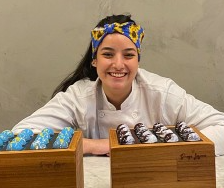
Mariana Costa Ota is a home baker and founder of Cupcake Craft Studio. She tests recipes, equipment, and decorating techniques in her own kitchen since 2018. No recipe makes it to the site without passing through her oven (and her honest judgment) first.