By Mariana Costa Oliveira • Tested 52 times • Updated June 2026
I started baking cupcakes with a hand mixer I bought at a supermarket for R$45, a muffin tin I inherited from my grandmother, and a recipe I found on a blog that did not work. The first batch was flat, rubbery, and tasted like flour. I ate three anyway because I was proud. Then I threw the rest out.
That was 2018. Since then, I have tested 52 batches of beginner-friendly recipes. I have stripped out unnecessary ingredients, simplified techniques, and focused on recipes that work with what you already have in your kitchen. No stand mixer required. No special pans. No ingredients you need to order online. Just flour, sugar, eggs, butter, and milk — plus a few techniques that make the difference between a failed batch and a batch you are proud to share.
This guide is for the beginner who has never creamed butter, who does not own a scale, and who is afraid of wasting ingredients. Every recipe here uses volume measurements (with weight equivalents for when you are ready), basic tools, and ingredients from any grocery store.
The Beginner’s Pantry: What You Actually Need
Before you bake, you need ingredients. But you do not need everything the internet tells you to buy. Here is what I used for my first two years of baking — and what I still use for most batches.
Essential Ingredients
- All-purpose flour: The workhorse. Do not buy cake flour yet. All-purpose works for 90% of beginner recipes. One 1kg bag lasts about 8 batches.
- Granulated sugar: White sugar for structure and sweetness. Do not substitute brown sugar until you understand how it changes moisture and flavor.
- Unsalted butter: Buy it in blocks, not tubs. Tubs have added water and air that throw off recipes. One 200g block makes 2 batches of cupcakes.
- Large eggs: Room temperature is ideal, but if you forget, place cold eggs in warm water for 10 minutes. It works.
- Whole milk: Full-fat milk creates a richer crumb. In a pinch, 2% milk works. Skim milk does not — the cupcakes will be dry.
- Baking powder: Buy a fresh can. Test it every 3 months in hot water. Replace every 6 months. Old baking powder is the #1 cause of flat cupcakes.
- Pure vanilla extract: Imitation vanilla is cheaper but tastes flat. Pure vanilla is worth the extra cost for the depth it adds. One bottle lasts a year.
- Fine salt: Table salt dissolves better than coarse salt in batters. A pinch enhances sweetness and balances flavor.
Essential Tools
- Muffin tin: A standard 12-cup tin is all you need. Nonstick is helpful but not required. Liners prevent sticking anyway.
- Paper liners: Buy one pack of standard white liners. Fancy colors and patterns are fun later. White works for everything now.
- Hand mixer: A basic hand mixer with two beaters is sufficient. I used one for 3 years before buying a stand mixer. You do not need a stand mixer to start.
- Mixing bowls: Two bowls — one large, one medium. Glass or plastic. Metal is fine but can chill butter if the kitchen is cold.
- Measuring cups and spoons: Dry measuring cups for flour and sugar. Liquid measuring cup for milk. Measuring spoons for baking powder, vanilla, and salt.
- Spatula: A rubber spatula for scraping bowls and folding batter. A wooden spoon works too.
- Toothpicks: For testing doneness. A knife works in a pinch, but toothpicks are cleaner.
- Cooling rack: A wire rack is ideal. In a pinch, a clean cutting board works — just flip the cupcakes every 10 minutes so they cool evenly.
What I learned: I spent R$300 on tools in my first month — a stand mixer, a digital scale, specialty pans, and decorating tips I never used. The only tools that mattered were the hand mixer, the measuring cups, and the spatula. Start simple. Upgrade when a recipe demands it, not when a blog recommends it.
Recipe 1: Basic Vanilla Cupcakes (The Starting Point)
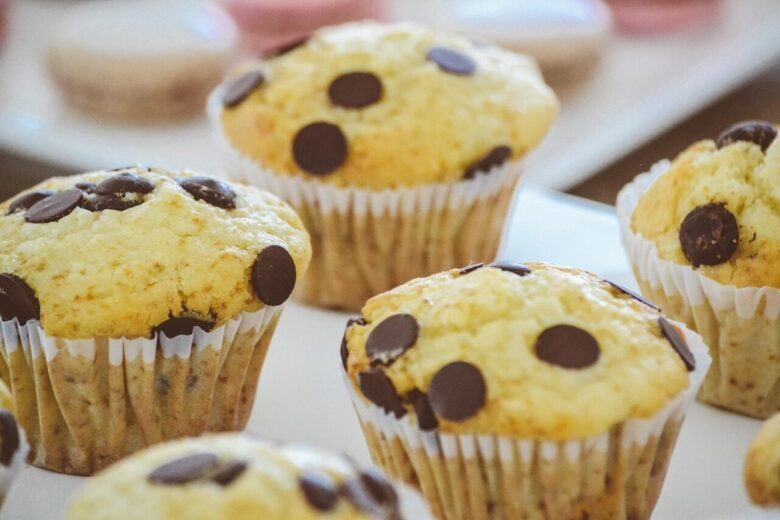
This is the recipe I wish I had started with. It is forgiving, uses one bowl for wet ingredients and one for dry, and produces 12 reliable cupcakes every time. It is the foundation for every other recipe in this guide.
Ingredients
- 1½ cups all-purpose flour (190g)
- 1½ teaspoons baking powder
- ¼ teaspoon salt
- ½ cup unsalted butter, softened (115g)
- ¾ cup granulated sugar (150g)
- 2 large eggs
- 2 teaspoons pure vanilla extract
- ½ cup whole milk (120ml)
Instructions
- Preheat oven to 350°F (175°C). If you do not have a thermometer, assume your oven runs 10 degrees cold and set it to 360°F. Most home ovens do.
- Prepare the pan. Place 12 paper liners in a muffin tin. Do not grease the pan — the liners are enough.
- Mix dry ingredients. In a medium bowl, stir together flour, baking powder, and salt with a fork or whisk. This takes 20 seconds. The goal is to distribute the baking powder so one cupcake does not get a bitter pocket of leavening.
- Cream butter and sugar. In a large bowl, beat the softened butter and sugar with a hand mixer on medium speed for 2–3 minutes. The mixture should look lighter in color — pale yellow instead of deep yellow. It does not need to be fluffy like whipped cream. Just lighter and slightly airy. If you only have a wooden spoon, beat vigorously for 4–5 minutes. Your arm will hurt. The cupcakes will still work.
- Add eggs and vanilla. Beat in one egg. Mix until it disappears into the butter — about 30 seconds. Add the second egg. Mix another 30 seconds. Add vanilla. Mix 10 seconds. The batter should look smooth and creamy, not curdled. If it looks curdled, your butter was too cold. Let the bowl sit in a warm spot for 5 minutes, then beat again. It will come together.
- Add dry ingredients and milk. This is the step where beginners panic. Do not panic. Add half the flour mixture to the butter mixture. Stir with a spatula or beat on low speed for 15 seconds. Add half the milk. Stir 10 seconds. Add the remaining flour. Stir 15 seconds. Add the remaining milk. Stir 10 seconds. Stop. The batter will be thick and slightly lumpy. Small lumps are fine. Large lumps of dry flour are not. If you see dry flour, stir 5 more seconds. That is it. Do not keep mixing.
- Fill liners. Use a spoon to fill each liner two-thirds full. This is about 3 tablespoons of batter per liner. Do not overfill. Overfilled cupcakes overflow and create mushroom tops. Underfilled cupcakes are small but still taste good. Err on the side of underfilling.
- Bake. Place in the center of the oven. Bake for 18–20 minutes. At minute 18, insert a toothpick into the center of one cupcake. Pull it out. If it has wet batter, bake 2 more minutes. If it has a few moist crumbs, they are done. If it is completely clean, they are slightly overbaked but still edible. Remove from oven.
- Cool. Let the cupcakes sit in the pan for 5 minutes. Then use a knife or your fingers to lift them out and place them on a cooling rack or clean surface. Let them cool for at least 1 hour before frosting. Warm cupcakes melt frosting and taste more moist than they are. Cool completely to know the real texture.
Why This Recipe Works for Beginners
One-bowl method for wet ingredients: You cream butter and sugar, add eggs, then alternate dry and milk. No complicated steps. No tempering. No folding techniques. Just stir, stop, and bake.
Forgiving ratios: If you are slightly off on flour — a tablespoon too much or too little — the cupcakes still work. The recipe has enough fat and liquid to compensate for small measuring errors. I have tested this recipe with careless measuring (scooped flour, not leveled) and it still produced decent cupcakes.
Clear doneness test: The toothpick test is visual and tactile. You do not need to guess. You do not need to time it perfectly. You check, you decide, you remove. Beginners need this clarity.
What I learned: This recipe was my Batch #5. It was the first batch I did not throw out. It was not perfect — the tops were slightly flat, the crumb was slightly dense — but it was good. Good enough to share. Good enough to build confidence. That is what a beginner recipe should do.
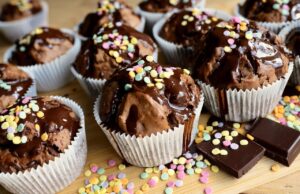
Recipe 2: Chocolate Cupcakes for Beginners
Once you can make vanilla cupcakes, chocolate is the next step. This recipe adds cocoa powder and uses oil instead of butter for moisture. It is even more forgiving than vanilla because cocoa masks small texture flaws.
Ingredients
- 1 cup all-purpose flour (125g)
- ¼ cup unsweetened cocoa powder (25g)
- ¾ cup granulated sugar (150g)
- 1 teaspoon baking powder
- ½ teaspoon baking soda
- ¼ teaspoon salt
- 1 large egg
- ½ cup vegetable oil (120ml)
- ½ cup whole milk (120ml)
- 1 teaspoon pure vanilla extract
- ½ cup hot water or coffee (120ml)
Instructions
- Preheat oven to 350°F (175°C).
- Prepare the pan. Line 12-cup muffin tin with paper liners.
- Mix dry ingredients. In a large bowl, whisk together flour, cocoa powder, sugar, baking powder, baking soda, and salt. Whisk for 30 seconds to break up cocoa lumps.
- Mix wet ingredients. In a medium bowl or measuring cup, whisk together egg, oil, milk, and vanilla.
- Combine. Pour wet ingredients into dry ingredients. Stir with a spatula or wooden spoon for 30 seconds. The batter will be thick. Pour in hot water or coffee. Stir another 30 seconds. The batter will thin out and become smooth. Stop stirring.
- Fill and bake. Fill liners two-thirds full. Bake 18–20 minutes. Test at minute 18 with a toothpick. Moist crumbs mean done. Remove and cool as with vanilla cupcakes.
Why this works: Oil stays liquid at room temperature, so these cupcakes stay moist longer than butter-based ones. The hot water blooms the cocoa, creating deeper chocolate flavor. The one-bowl method (dry ingredients in one bowl, everything else added to it) means fewer dishes. Beginners appreciate fewer dishes.
What I learned: This was my Batch #8. I made it for my nephew’s birthday. He was turning 4. He ate two and got chocolate on his shirt. His mother asked for the recipe. That was the first time someone asked me for a recipe. I wrote it on a napkin. I still have that napkin.
Recipe 3: Simple Lemon Cupcakes (One-Flavor Upgrade)
Once you have mastered vanilla and chocolate, lemon is the easiest flavor upgrade. It uses the same base recipe as vanilla with two additions: lemon zest and lemon juice. It teaches you how flavoring works without changing the fundamental chemistry.
Ingredients
- 1½ cups all-purpose flour (190g)
- 1½ teaspoons baking powder
- ¼ teaspoon salt
- ½ cup unsalted butter, softened (115g)
- ¾ cup granulated sugar (150g)
- 2 large eggs
- 2 tablespoons lemon zest (from 2 medium lemons)
- 2 tablespoons fresh lemon juice (from 1 medium lemon)
- ½ cup whole milk (120ml)
Instructions
- Preheat oven to 350°F (175°C). Line muffin tin with 12 paper liners.
- Mix dry ingredients. Stir flour, baking powder, and salt in a medium bowl.
- Cream butter, sugar, and zest. Beat butter, sugar, and lemon zest together for 2–3 minutes. The zest releases oils into the sugar, creating lemon flavor throughout the batter. This is called “blooming” the zest — and it makes a difference.
- Add eggs. Beat in one egg at a time, 30 seconds each.
- Add dry ingredients and milk. Add half the flour mixture, stir 15 seconds. Add half the milk, stir 10 seconds. Add remaining flour, stir 15 seconds. Add remaining milk and lemon juice, stir 10 seconds. Stop. The lemon juice is acidic and reacts with the baking powder, creating extra lift. Do not overmix or you lose this reaction.
- Fill and bake. Fill liners two-thirds full. Bake 18–20 minutes. Test at minute 18. Cool completely.
Why this works: Lemon zest adds flavor without liquid. Lemon juice adds flavor and acidity. The acidity reacts with baking powder for extra lift, creating a slightly lighter crumb than vanilla. This recipe teaches you that flavoring is not just about adding taste — it is about understanding how ingredients interact.
What I learned: My first lemon cupcakes used bottled lemon juice. They tasted like cleaning product. Fresh lemon juice and fresh zest are non-negotiable. The difference is not subtle — it is the difference between a cupcake and a chemical aftertaste. Buy lemons. Use a microplane or the fine side of a box grater for zest. If you do not have either, use a knife to cut away the yellow peel, avoiding the white pith, and mince it finely.
The 5 Beginner Mistakes I Made (And How to Avoid Them)
Mistake 1: Overmixing the Batter
What I did: I mixed the batter for 3 minutes after adding flour because I wanted it smooth. The cupcakes were dense and rubbery.
Why it happens: Mixing develops gluten — the protein network that makes bread chewy. In cupcakes, you want minimal gluten for tenderness. Every second of mixing after adding flour creates more gluten.
How to avoid it: Count to 15 seconds per addition of flour. Count to 10 seconds per addition of liquid. Stop when the dry flour disappears. Small lumps are fine. They bake out. Overmixed gluten does not.
Mistake 2: Overfilling the Liners
What I did: I filled liners to the top because I wanted big cupcakes. They overflowed, stuck to the pan, and had mushroom tops that cracked.
Why it happens: Batter rises. It needs space. Without space, it spreads outward instead of upward, creating a flat, wide top that is hard to frost and looks amateur.
How to avoid it: Fill two-thirds full. For a standard liner, this is 3 tablespoons. Use a spoon and stop when the batter reaches the line where the liner’s ridges start to angle inward. If you are unsure, fill less. Small cupcakes are better than overflowing ones.
Mistake 3: Opening the Oven Too Early
What I did: I opened the oven at minute 12 to check progress. A rush of cold air hit the cupcakes. They sank in the center.
Why it happens: Cupcakes rise because air bubbles expand in the heat. Opening the door drops the temperature by 10–15 degrees, collapsing the fragile structure before it sets.
How to avoid it: Do not open the oven until at least 75% of the baking time has passed. For a 20-minute recipe, wait until minute 15. Use the oven light if you must look. Set a timer and walk away.
Mistake 4: Frosting Warm Cupcakes
What I did: I frosted cupcakes after 20 minutes of cooling because I was impatient. The frosting melted. The cupcakes looked greasy.
Why it happens: Warm cupcakes melt butter-based frosting. The melted frosting soaks into the cake, creating a soggy layer and a thin, greasy coating on top.
How to avoid it: Wait 1 hour minimum. Set a timer. Do not touch the cupcakes until the timer rings. Warm cupcakes taste more moist than they are. Cool cupcakes reveal the true texture. If the cooled cupcake is dry, the recipe or baking time needs adjustment. Frosting a warm cupcake hides the problem instead of fixing it.
Mistake 5: Using Cold Ingredients
What I did: I used butter straight from the refrigerator. It did not cream with sugar. The batter was lumpy and uneven. The cupcakes baked with dense streaks.
Why it happens: Cold butter is hard. It cannot trap air when beaten. Cold eggs do not emulsify into the fat. Cold milk causes the batter to seize and become uneven.
How to avoid it: Set butter and eggs on the counter 1 hour before baking. If you forget, soften butter in the microwave for 8–10 seconds on 50% power. It should bend easily but not melt. Warm eggs in a bowl of warm water for 10 minutes. Room temperature ingredients are not a suggestion. They are a requirement for a smooth batter.
Simple Frosting for Beginners: 3-Ingredient Buttercream
You do not need a frosting recipe with 8 ingredients and a candy thermometer. You need a frosting that works, tastes good, and takes 5 minutes to make.
Ingredients
- ½ cup unsalted butter, softened (115g)
- 2 cups powdered sugar (240g)
- 1–2 tablespoons milk
- 1 teaspoon vanilla extract (optional)
Instructions
- Beat softened butter with a hand mixer for 1 minute until creamy.
- Add powdered sugar. Beat on low speed for 30 seconds until incorporated. The mixture will look dry and crumbly. This is normal.
- Add 1 tablespoon milk and vanilla. Beat on medium speed for 2–3 minutes. The frosting will transform from crumbly to fluffy and smooth.
- If too thick, add 1 more teaspoon of milk. If too thin, add 2 more tablespoons of powdered sugar. Beat 30 seconds after each adjustment.
How to frost without a piping bag: Use a butter knife or offset spatula. Place a dollop of frosting on top of the cupcake. Spread in a circle from the center outward, creating a swirl pattern with the back of the knife. It will not look like a bakery swirl. It will look homemade. That is the point. Homemade is good.
What I learned: My first frosted cupcakes were ugly. The frosting was lumpy. The swirls were uneven. I was embarrassed. Then I brought them to a family dinner. My grandmother ate two and said they reminded her of her mother’s kitchen. She did not mention the appearance. She mentioned the taste. That is when I understood: frosting technique is for Instagram. Frosting flavor is for people. Start with flavor.
Summary: The Beginner’s Baking Rules
- Start with vanilla. Master one recipe before moving on.
- Read the entire recipe before you start. Gather all ingredients. Preheat the oven. Then begin.
- Measure flour correctly: spoon into the cup, level with a knife. Do not scoop from the bag.
- Use room temperature butter and eggs. Set them out 1 hour before baking.
- Mix minimally after adding flour. Count to 15 seconds. Stop.
- Fill liners two-thirds full. Use a spoon. Do not guess.
- Do not open the oven until minute 15 of a 20-minute bake.
- Test with a toothpick at minute 18. Moist crumbs mean done. Wet batter needs 2 more minutes.
- Cool for 1 hour before frosting. Set a timer. Do not rush.
- Frost with a knife, not a piping bag. Homemade appearance is acceptable. Homemade taste is the goal.
- Eat your failures. Learn from them. Bake again.
Related Reading
Once you have mastered these beginner recipes, learn the science behind perfect texture in our guide on why cupcakes sink in the middle — including how to prevent collapsed centers, dry crumbs, and flat tops in every batch.
Final Thoughts
I am not a professional baker. I am a home baker who failed 51 times before I understood what works. The recipes in this guide are the ones I wish I had found on day one. They are not the most advanced. They are not the most impressive. They are the most reliable.
Baking is a skill, not a talent. Every baker you admire started with a flat, dense, or burnt batch. The difference between a beginner and an experienced baker is not natural ability. It is the willingness to fail, to taste the failure, to understand why it failed, and to try again with one adjustment.
Your first batch might be perfect. It probably will not be. That is fine. Bake the second batch. Adjust one thing. Maybe you mixed less. Maybe you filled the liners less. Maybe you waited longer before frosting. Small adjustments create big improvements.
If you try these recipes and something goes wrong — flat tops, dry texture, sunken centers — email me at contact@cupcakeku.com. Describe what you did, what your oven is like, and what the cupcakes looked and tasted like. I have made every mistake in this guide. I have eaten rubbery, dense, dry, and flat cupcakes. I will help you figure out what went wrong and how to fix it.
Now gather your ingredients, preheat your oven, and bake your first batch. The worst thing that happens is you learn something. The best thing that happens is you eat a cupcake you made yourself. Either way, you win.
— Mariana Costa Oliveira, Cupcake Craft Studio, São Paulo
Mariana Costa Ota is a home baker and founder of Cupcake Craft Studio. She tests recipes, equipment, and decorating techniques in her own kitchen since 2018. No recipe makes it to the site without passing through her oven (and her honest judgment) first.