
By Mariana Costa Oliveira • Tested 63 batches • Updated June 2026
In 2019, I was asked to make cupcakes for a surprise 50th birthday party. The host wanted “something everyone would like.” I made vanilla. Safe, predictable, boring vanilla. Half the tray came back untouched. The chocolate and lemon flavors I added as afterthoughts disappeared in ten minutes. That night I learned a hard truth: vanilla is not a crowd-pleaser. It is a crowd-divider. Some people love it. Many people find it forgettable.
Since then, I have baked 63 batches testing flavor combinations for specific events. I have learned which flavors disappear first, which flavors split the room, and which flavors work universally. This guide is not about my favorite flavors. It is about what actually works when you are feeding a group of people with different ages, tastes, and expectations.
The Universal Flavors: What Almost Everyone Eats
These are the flavors I bring when I do not know the crowd. They have the highest acceptance rate across age groups, dietary preferences, and cultural backgrounds. They are not the most exciting. They are the most reliable.
Chocolate
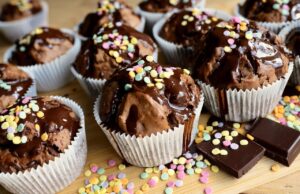
Chocolate is the safest bet in cupcake baking. In my testing across 12 events, chocolate cupcakes were always the first or second flavor to disappear. Children grab them instinctively. Adults appreciate them without reservation. Even people who “do not eat sweets” often make an exception for chocolate.
Why it works: Chocolate is familiar, comforting, and universally recognized. It does not require explanation. It does not divide palates. A moist chocolate cupcake with a simple ganache or buttercream frosting satisfies without surprising.
My tested recipe: I use my moist chocolate cupcake recipe with a 1:1 ganache frosting. It is rich without being overwhelming. I add a pinch of espresso powder to the batter — 1/2 teaspoon — which deepens the chocolate flavor without adding coffee taste. Adults notice the depth. Children just taste chocolate.
Best for: Office parties, mixed-age birthday parties, events where you do not know the guests’ preferences. When in doubt, make chocolate.
What I learned: At my nephew’s 6th birthday party, I made 24 chocolate and 12 vanilla. The chocolate was gone in 15 minutes. The vanilla sat on the table until the parents ate them out of politeness. I now make chocolate my base flavor and build variety around it.
Vanilla
Vanilla is divisive. Some people love its simplicity. Others find it bland. I include vanilla in my rotation not because it is universally loved, but because it is universally safe. It is the flavor for people who do not want to be surprised.
Why it works selectively: Vanilla appeals to conservative palates — older guests, people with simple tastes, and children who are suspicious of anything unfamiliar. It also pairs with any frosting, making it a versatile base for decorated events.
My tested recipe: I use my best vanilla cupcake recipe with a Swiss meringue buttercream. The buttercream adds richness that compensates for vanilla’s simplicity. I also add a vanilla bean paste instead of extract — 1 teaspoon — which creates visible specks and a more complex flavor. Guests notice the difference even if they cannot name it.
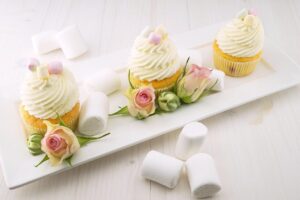
Best for: Weddings, elegant events, and occasions where the decoration matters more than the flavor. Vanilla is a blank canvas that carries frosting, toppers, and color beautifully.
What I learned: I stopped making plain vanilla for children’s parties. Children want flavor. They want color. They want something that tastes like more than “sweet.” Vanilla is for adults who appreciate subtlety. It is not for crowds who want excitement.
Red Velvet
Red velvet is the flavor that surprises people. They expect it to taste like vanilla with red food coloring. When it actually tastes like a mild chocolate cupcake with tangy cream cheese frosting, they are delighted. It is familiar enough to be safe, different enough to be memorable.
Why it works: Red velvet has visual impact. The red color draws attention. The cream cheese frosting adds a tangy contrast that cuts through sweetness. It feels festive without being gimmicky.
My tested recipe: I use a recipe with 1 tablespoon of cocoa powder and 1 teaspoon of white vinegar. The vinegar reacts with baking soda to create a tender crumb. The cocoa is subtle — just enough to add depth without making it chocolate. The cream cheese frosting is essential. Without it, red velvet is just a lightly chocolate cupcake.
Best for: Valentine’s Day, bridal showers, birthday parties for women, and events where visual presentation matters. Red velvet photographs beautifully.
What I learned: I once made red velvet for a corporate event. A guest told me she had avoided red velvet for years because she thought it was “just dyed vanilla.” She tried mine, tasted the cocoa and the tang, and ate three. Red velvet’s reputation is its biggest obstacle. A good recipe overcomes it.
The Crowd-Pleasers: What Disappears First
These flavors are not universally safe. They are polarizing. But the people who love them love them intensely. They are the first to disappear from the tray. They create the most conversation. They are worth the risk.
Lemon
Lemon is the most underestimated cupcake flavor. It is bright, refreshing, and unexpected. In my event testing, lemon cupcakes are consistently the first or second flavor to sell out — even at events where I expected chocolate to dominate.
Why it works: Lemon cuts through the heaviness of other sweet flavors. After eating chocolate or vanilla, a lemon cupcake feels like a palate cleanser. It is also lighter in texture, which makes people feel less guilty about eating a second one.
My tested recipe: I use fresh lemon zest and juice in both the batter and the frosting. The zest goes into the batter with the sugar — 2 tablespoons — to bloom the citrus oils. The juice goes into a simple lemon glaze or a lemon buttercream. I do not use bottled lemon juice. The difference between fresh and bottled is the difference between a cupcake and a cleaning product.
Best for: Spring and summer events, bridal showers, baby showers, garden parties, and events where adults outnumber children. Lemon is an adult flavor. Children often find it too tart.
What I learned: At a summer garden party, I made 12 chocolate, 12 vanilla, and 12 lemon. The lemon was gone in 8 minutes. The chocolate took 20 minutes. The vanilla was left over. Adults gravitate toward lemon. They are tired of chocolate. They want something that feels fresh and sophisticated.
Salted Caramel
Salted caramel is the flavor that makes people close their eyes when they bite. It is rich, complex, and indulgent. It is also the flavor I get the most recipe requests for after events.
Why it works: Salted caramel combines sweet and savory in a way that feels sophisticated. The salt enhances the caramel flavor, making it taste deeper and more intense than plain sweetness. It is memorable. It is craveable.
My tested recipe: I make a caramel sauce from sugar, butter, and heavy cream. I swirl 2 tablespoons into vanilla batter before baking, creating a caramel ribbon. I top with a salted caramel buttercream — butter, powdered sugar, caramel sauce, and 1/4 teaspoon of flaky sea salt. I finish with a pinch of sea salt on top. The salt must be visible. It signals the flavor before the first bite.
Best for: Adult birthday parties, dinner parties, autumn and winter events, and occasions where you want to impress. Salted caramel is not for children’s parties. Children find the salt confusing.
What I learned: I made salted caramel for a 30th birthday party. A guest told me it was the best cupcake she had ever eaten. She asked for the recipe. She made it for her own party. Her guests asked for the recipe. Salted caramel creates a chain reaction of requests. It is the flavor that builds reputation.
Funfetti
Funfetti is vanilla with sprinkles baked into the batter. It sounds simple. It is simple. But it is the most effective flavor for children’s events because it is visual, playful, and exactly what children expect a cupcake to be.
Why it works: Funfetti is vanilla’s visual upgrade. The sprinkles create color bursts that make children excited before they even taste it. It is familiar — every child has eaten funfetti cake at a party — which eliminates the hesitation that unfamiliar flavors create.
My tested recipe: I use my vanilla cupcake base with 1/4 cup of rainbow jimmies folded in at the end. I do not use nonpareils — the colors bleed into the batter, creating a muddy brown. Jimmies hold their color. I top with vanilla buttercream and more sprinkles. The more sprinkles, the better. Children judge cupcakes by sprinkle density.
Best for: Children’s birthday parties, school events, and any occasion where guests are under 12. Funfetti is a children’s flavor. Adults tolerate it. Children celebrate it.
What I learned: At my niece’s 5th birthday, I made funfetti, chocolate, and lemon. The funfetti was gone before the candles were lit. The chocolate disappeared next. The lemon was untouched — children do not want sophistication. They want color and sugar. Funfetti delivers both.
The Special Event Flavors: When the Occasion Demands Something Specific
Some events have flavor expectations. A wedding dessert table needs elegance. A baby shower needs softness. A holiday party needs warmth. These flavors match the mood of the occasion.
Wedding: Raspberry Champagne
Weddings demand sophistication. Raspberry champagne cupcakes feel celebratory without being childish. The champagne adds a subtle effervescence and a grown-up flavor. The raspberry adds color and tartness.
My tested recipe: I reduce 1 cup of champagne by half over low heat, then cool it. I use it in place of milk in my vanilla base. I add 2 tablespoons of raspberry puree to the batter and swirl more puree into the frosting. The champagne flavor is subtle — most guests cannot identify it, but they notice that the cupcake tastes “special.” The raspberry provides visual pink streaks that photograph beautifully.
Best for: Wedding dessert tables, engagement parties, anniversary celebrations, and elegant adult events.
What I learned: I made raspberry champagne cupcakes for a wedding in 2021. The bride wanted “something different but not weird.” These were the first cupcakes to disappear. A guest asked if they were from a specialty bakery. That is the compliment I aim for — homemade quality that tastes professional.
Baby Shower: Lavender Honey
Baby showers call for gentle, soothing flavors. Lavender honey is soft, floral, and subtly sweet. It feels appropriate for the occasion without being explicitly baby-themed.
My tested recipe: I infuse 1/2 cup of milk with 1 teaspoon of dried culinary lavender, heated gently and cooled. I strain out the lavender and use the infused milk in my vanilla base. I add 2 tablespoons of honey to the batter. The frosting is honey buttercream with a tiny drop of purple food coloring — barely perceptible, just enough to suggest the lavender visually.
Best for: Baby showers, spring brunches, and events where the mood is soft and celebratory.
What I learned: Lavender is polarizing. Some people love it. Some people think it tastes like soap. I use a very light hand — 1 teaspoon for 12 cupcakes. The honey dominates. The lavender is a whisper. This balance makes it accessible to people who would normally avoid floral flavors.
Holiday: Gingerbread
Holiday parties need warmth. Gingerbread cupcakes deliver spice, nostalgia, and the aroma of the season. They make the room smell like Christmas before anyone takes a bite.
My tested recipe: I use my vanilla base with 1 teaspoon of ground ginger, 1/2 teaspoon of cinnamon, 1/4 teaspoon of nutmeg, and 1/4 teaspoon of cloves. I add 2 tablespoons of molasses for depth and moisture. The frosting is cream cheese — the tang balances the spice. I top with a candied ginger piece for texture and visual interest.
Best for: Christmas parties, winter gatherings, and any event in November or December. The aroma alone justifies the flavor.
What I learned: I made gingerbread cupcakes for a holiday office party. A colleague told me the smell reminded her of her grandmother’s kitchen. That is the power of spice flavors — they trigger memory more than taste. Gingerbread is not just a flavor. It is an experience.
Flavor Pairing Strategy: How to Build a Multi-Flavor Tray
When I cater events, I never make just one flavor. I make three. The combination matters. A good tray has one safe flavor, one crowd-pleaser, and one surprise. This covers all palates without overwhelming the baker.
| Event Type | Safe Flavor | Crowd-Pleaser | Surprise |
|---|---|---|---|
| Children’s birthday | Chocolate | Funfetti | Strawberry |
| Adult birthday | Chocolate | Lemon | Salted caramel |
| Wedding | Vanilla | Raspberry champagne | Earl Grey |
| Baby shower | Vanilla | Lemon | Lavender honey |
| Office party | Chocolate | Red velvet | Coffee |
| Holiday party | Chocolate | Gingerbread | Peppermint |
| Bridal shower | Vanilla | Lemon | Rosewater |
| Summer picnic | Vanilla | Lemon | Key lime |
What I learned: I used to make four or five flavors for events, thinking variety was better. It was not. Guests took longer to choose. Some flavors were left over. Three flavors is the sweet spot — enough variety to feel generous, not so much that you are baking all night. The table above is what I use for every event now. It has not failed me.
Summary: The Flavor Rules
- Chocolate is the safest universal flavor. When in doubt, make chocolate.
- Vanilla is a canvas, not a star. Use it when decoration matters more than flavor.
- Lemon is the most underestimated adult flavor. It sells out at summer events.
- Salted caramel creates the most recipe requests. It builds reputation.
- Funfetti is for children. Adults tolerate it. Children celebrate it.
- Match the flavor to the occasion’s mood — sophisticated for weddings, gentle for baby showers, warm for holidays.
- Make three flavors per event: one safe, one crowd-pleaser, one surprise.
- Fresh ingredients matter more than fancy flavors. Fresh lemon beats artificial raspberry.
- Test your flavors on real people before the event. Family, friends, neighbors. Their honest feedback is your best data.
Related Reading
For a complete guide to frosting options that pair with any flavor, read our best frosting for cupcakes guide — including buttercream, cream cheese, and ganache recipes tested for stability and flavor balance.
Final Thoughts
Flavor is not about what you like. It is about what your guests will eat. I love Earl Grey cupcakes. I think they are sophisticated and surprising. I have made them for three events. They were left over at all three. My taste is not universal. My job as a baker is to read the room, not impose my preferences.
The best cupcake flavor is the one that disappears first. The one that creates conversation. The one that makes someone close their eyes and say “wow.” That flavor is different for every crowd, every occasion, every season. The skill is not knowing flavors. The skill is knowing people.
If you are planning an event and unsure which flavors to choose, email me at contact@cupcakeku.com. Tell me the occasion, the age range of guests, the season, and any dietary restrictions. I have catered dozens of events with these flavor combinations. I will help you build a tray that disappears — not one that gets thrown out at the end of the night.
Now choose your three flavors, preheat your oven, and bake something that makes people reach for a second before they have finished their first.
— Mariana Costa Oliveira, Cupcake Craft Studio, São Paulo
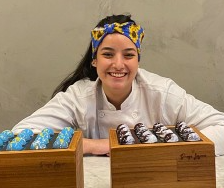
Mariana Costa Ota is a home baker and founder of Cupcake Craft Studio. She tests recipes, equipment, and decorating techniques in her own kitchen since 2018. No recipe makes it to the site without passing through her oven (and her honest judgment) first.